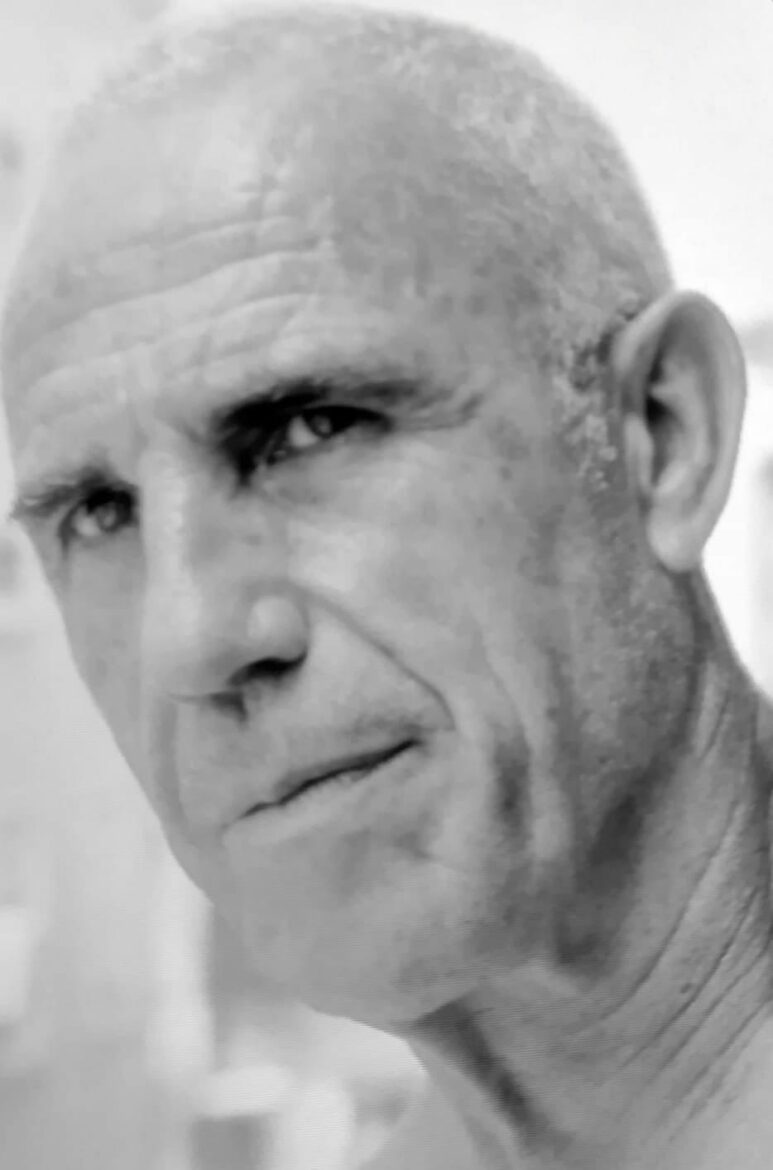
Jesús Herrero
Artist
Jesús Herrero Jiménez is an artist and teacher with more than 30 years of experience in the visual arts. With a degree in Fine Arts from the Complutense University of Madrid, he specializes in printmaking, combining traditional techniques with contemporary approaches.
exposicion
Solidarity Art for the Future of the Maasai
Next January 21, the Association for Development, Fair Trade, and Microcredit (ADCAM) will present in Madrid its sustainable development initiatives within the Maasai community in Kenya.
During the event, a charitable art auction will take place featuring works created especially for the occasion by several artists who have joined this cause, including emerging talents such as Sylvia Girón, Eva Ertl, and Jesús Herrero. The proceeds will be allocated to the Mara Vision School educational project.
Attendees will have the opportunity to learn more about Maasai culture and about the educational and social vision that ADCAM has been promoting in this community for the past 20 years, alongside its founders, Rosa Escandell and William Kikanae Ole Pere, leader of the Maasai community. They will also be able to contribute directly to the advancement of the educational project, which provides schooling to more than 250 Maasai children; to the consolidation of a cooperative of over 2,500 women artisans that preserves their cultural heritage while promoting economic independence; and to the strengthening of the Sawa Mara Eco Lodge, an eco-friendly accommodation run by the Maasai community in the Maasai Mara, a model of sustainable tourism that combines authenticity, respect for nature, and hospitality.
tr31ntayuno
Fernando VI Street, 31
He has participated in several exhibitions, including a group exhibition ‘El Escenario Urbano’ at the Biblioteca del Mar with a collaborative work of installation of micro-essay registers on the expropriation of land in the Valencian huerta and others such as ‘Sorolla, una nova dimensiò’ or ‘Dalí Cybernetic’ with audiovisual works of AI.
The project presented explores the interaction between art and urban space, using the Moncloa Arch as a case study. This Francoist monument in Madrid, which has been the object of graffiti and youth activities such as skateboarding, is transformed into a recycled wooden toy, creating modules that allow skating with ‘fingerboards’, seeking to question and re-signify its original purpose. The installation presents the toy together with a video that contrasts DIY culture and commemorative events, as a form of peaceful protest that vindicates the citizen’s right to public space. This work speaks, then, of monument, historical memory and the right to the city through artistic practice, taking advantage of strategies such as play, reappropriation and observation of our everyday environment.